

illuminated shaving mirror
Understanding DN80 Gate Valves A Comprehensive Overview Gate valves are essential components in a wide range of piping systems, playing a crucial role in the regulation of fluid flow. Among the various specifications used in valve design, the term DN (Diameter Nominal) is crucial, indicating the nominal pipe size. In this article, we will delve into the specifics of the DN80 gate valve, exploring its features, applications, and considerations for selection and maintenance. What is a DN80 Gate Valve? Defined by the nominal pipe diameter of 80 millimeters (mm), a DN80 gate valve is specifically designed to control the opening and closing of fluid flow in a pipeline. The primary function of a gate valve is to provide full flow with minimal pressure drop, achieved through a wedge-shaped gate that can be raised or lowered within the valve body. This design makes it particularly suitable for applications where the valve is either fully open or fully closed, rather than used for throttling purposes. Key Features 1. Construction Material DN80 gate valves are typically constructed from a variety of materials including cast iron, ductile iron, stainless steel, and carbon steel. The choice of material depends on the application, as factors like temperature, pressure, and fluid composition play a significant role in material selection. 2. Sealing Mechanism Most DN80 gate valves employ a resilient seat design which ensures a tight seal. This reduces the chance of leakage, which is essential in applications where fluid loss can lead to significant operational inefficiencies or environmental hazards. 3. Operating Type Gate valves can be operated manually with handwheels, or automatically using actuators. The choice of operation often hinges on the specific needs of the system; for instance, larger installations may favor automation for efficiency and ease of control. Applications DN80 gate valves are widely used across numerous industries due to their versatility. Some common applications include gate valve dn80 - Water Treatment Plants Gate valves are integral to the operation of water distribution systems, allowing for the control of water flow and maintenance procedures. - Oil and Gas In oil pipelines, DN80 gate valves regulate the flow of crude oil and natural gas, ensuring safe and efficient transportation. - Chemical Processing The chemical industry often requires DN80 gate valves for handling various fluids, facilitating flow regulation while maintaining safety and integrity. Selection Considerations When selecting a DN80 gate valve, several critical factors should be taken into account 1. Pressure and Temperature Ratings The valve must be able to withstand the specific pressure and temperature conditions of the system. It is essential to check the valve's rating to ensure it is suited for the intended application. 2. Fluid Type Understanding the nature of the fluid flowing through the valve is crucial. For example, corrosive liquids will require a gate valve made from compatible materials to ensure longevity and reliability. 3. Installation Space The physical dimensions and orientation of the valve must align with the installation space available in the pipeline system, ensuring proper integration without requiring extensive modifications. 4. Maintenance Requirements Some gate valves may require more frequent maintenance than others, especially in high-pressure applications. Selecting a valve with lower maintenance needs can lead to cost savings and enhanced operational efficiency. Conclusion In summary, the DN80 gate valve is a vital component in various industrial applications, characterized by its ability to provide excellent flow control with minimal resistance. Understanding the features and benefits of DN80 gate valves, along with careful consideration of material, fluid type, and operating conditions, can lead to more effective systems that are both reliable and efficient. Whether in water treatment, oil and gas, or chemical processing, the right gate valve choice can significantly impact operational success.
about
illuminated shaving mirror
Truss mending plates are an essential component in repairing damaged truss systems. Trusses are structural frameworks composed of triangular units that support the roof of a building. Truss mending plates are used to strengthen and stabilize damaged trusses, ensuring the safety and stability of the structure. When a truss system is damaged, whether due to weather conditions, age, or improper installation, truss mending plates are often the solution to reinforce the structure. These plates are made of durable materials such as steel or aluminum and are designed to provide support and stability to the truss system. Truss mending plates are easy to install and can be used in a variety of applications. They come in different sizes and shapes to accommodate different types of truss systems. The installation process typically involves attaching the mending plates to the damaged area of the truss using screws or nails. Once installed, the mending plates help redistribute the weight and pressure placed on the truss, preventing further damage and ensuring the structural integrity of the building. truss mending plate In addition to repairing damaged trusses, truss mending plates can also be used to reinforce newly constructed truss systems . By adding mending plates at key connection points, builders can ensure that the truss system is strong and stable, capable of supporting the weight of the roof and any additional loads. Truss mending plates are a cost-effective and efficient solution for repairing and reinforcing truss systems. By using these plates, builders and contractors can quickly and easily address truss damage, preventing further issues and ensuring the longevity of the structure. In conclusion, truss mending plates play a crucial role in the construction and maintenance of truss systems. Whether used to repair damaged trusses or reinforce new ones, these plates are essential for ensuring the safety, stability, and durability of buildings. With their ease of installation and effectiveness in strengthening truss systems, truss mending plates are a valuable tool for builders and contractors.
-

High quality industrial productsagement

High quality industrial products
View Details -

Meet the diverse needs of customers

Meet the diverse needs of customers
View Details -

Strict quality control

Strict quality control
View Details -

Top raw materials

Top raw materials
View Details -

Trusted supplier

Trusted supplier
View Details
Our application


news and information
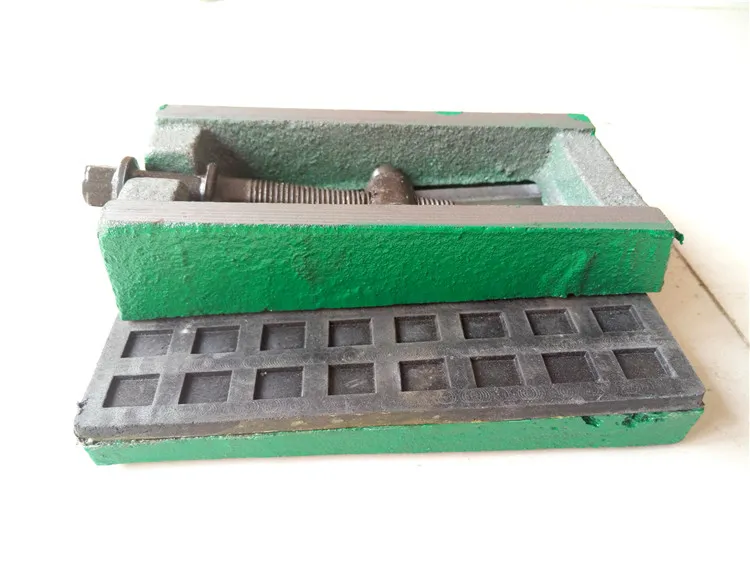
Y Type Strainer Valve for Efficient Fluid Filtration and Flow Control Solutions
Understanding Y-Type Strainer Valves A Comprehensive Overview In the realm of fluid mechanics and pi
Vannvalver
Typer Vannventiler Vannventiler er avgjørende komponenter i både husholdninger og industriell infras
Válvula borboleta elétrica 12V para controle de fluxo em sistemas industriais
Válvula Borboleta de 12V Eficiência e Versatilidade em Sistemas Hidráulicos A válvula borboleta é um
 English